
Can You Become a Software Developer Without Attending a Regular College?
Yes, you can become a software developer without attending a regular college. Today, many companies focus on practical programming knowledge, technical skills, problem-solving abilities and project experience when hiring developers. A traditional college degree can provide a strong foundation, but it is not the only way to enter the software industry.
If you are interested in technology but cannot attend a regular college because of work, financial responsibilities or personal commitments, there are alternative learning options. Courses such as BCA, B.Sc. Computer Science, MCA, diplomas and recognised online learning programmes can help you develop the knowledge required for software development.
Choosing the right course is an important first step. Engineering distance education is also a keyword students may come across while exploring flexible study options. However, it is essential to understand which technical programmes are permitted through distance or online learning before taking admission.
This blog explains how to become a software developer, which courses you can consider, the skills you need, course fees, salary expectations and future career opportunities.
What Is a Software Developer?
A software developer is a professional who designs, creates, tests and maintains computer programmes and applications. These applications may include mobile apps, websites, business software, banking platforms, educational applications and other digital products.
Software developers use programming languages, development tools and technical concepts to build software that solves real-world problems.
For example, when you use a shopping application to place an order, a software developer has helped create the features that allow you to browse products, add items to your cart, make payments and track deliveries.
Software development involves several stages, including:
- Understanding the purpose of the software.
- Planning how the application should work.
- Writing code using suitable programming languages.
- Testing the application to identify errors.
- Fixing problems and improving performance.
- Updating the software when new features are required.
A software developer may work independently, as part of a development team or for an organisation that builds digital products.
Why Choose a Career as a Software Developer?
Software development is a career option for people who enjoy technology, logical thinking and problem-solving. As businesses increasingly depend on digital systems, software professionals are needed across different industries.
Here are some reasons to consider this career.
Growing demand for technical skills: Companies in banking, healthcare, education, retail, manufacturing and entertainment use software to manage their operations. This creates opportunities for people with relevant technical knowledge.
Different career specialisations: You can work in web development, mobile application development, backend development, software testing, cloud computing and other technical areas.
Opportunities across industries: Software developers are not limited to IT companies. Many organisations have their own technology teams.
Flexible learning options: You can learn programming through degree programmes, diplomas, online courses and practical training.
Scope for continuous learning: Technology changes regularly, allowing developers to learn new programming languages, tools and frameworks throughout their careers.
A career in software development requires consistent practice. Completing a course is only the beginning; developing your technical knowledge and applying it to practical problems are equally important.
What Does a Software Developer Do?
The responsibilities of a software developer depend on the organisation, project and specialisation. However, most developers perform a combination of technical and problem-solving activities.
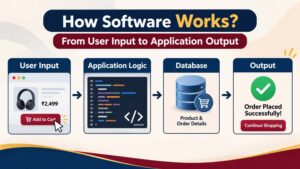
Some common responsibilities include:
- Developing websites, applications and software systems.
- Writing and reviewing programming code.
- Understanding project requirements.
- Testing applications to identify errors.
- Improving software performance and security.
- Maintaining existing applications.
- Working with designers, testers and other developers.
- Updating software based on user feedback.
For example, a web developer may create the features of an online shopping website, while a mobile application developer may build an Android or iOS application.
A backend developer may work on databases, servers and application logic, while a software tester checks whether the application functions correctly.
Which Course Should You Choose to Become a Software Developer?
You do not necessarily need an engineering degree to start learning software development. Several academic programmes can help you build a foundation in computer science, programming and application development.
Your choice should depend on your educational qualification, career goals, budget and preferred learning method.
BCA (Bachelor of Computer Applications)
BCA is an undergraduate programme focused on computer applications and information technology. It is a suitable option for students who want to understand programming, databases, software development and computer systems.
Common subjects may include:
- Programming in C and other languages.
- Database Management Systems.
- Computer Networks.
- Operating Systems.
- Web Development.
- Software Engineering.
- Data Structures.
BCA can provide a foundation for entry-level software development roles and further studies such as MCA, subject to the relevant admission requirements.
B.Sc. Computer Science
B.Sc. Computer Science is another undergraduate option for students interested in programming and computing concepts.
The programme generally focuses on computer science fundamentals, mathematics, programming, algorithms and software-related subjects.
It may be suitable for students who want to understand the theoretical and practical aspects of computing.
MCA (Master of Computer Applications)
MCA is a postgraduate programme for graduates who want to develop advanced knowledge of computer applications and software technologies.
Depending on the curriculum, subjects may include:
- Advanced Programming.
- Software Engineering.
- Database Systems.
- Cloud Computing.
- Computer Networks.
- Web Technologies.
- Artificial Intelligence.
Students should check the specific university’s eligibility requirements before applying.
Diploma and Certificate Courses
Diploma and certificate programmes can help learners develop specific technical skills. They may be useful for students who want to learn programming, web development, database management or application development.
However, a short-term certificate is not automatically equivalent to a recognised undergraduate or postgraduate degree. Choose a course based on your career requirements and the value of its curriculum.
Popular Courses for Aspiring Software Developers
| Course | Typical Duration | Main Learning Focus |
| BCA | 3 years | Computer applications, programming and software fundamentals |
| B.Sc. Computer Science | 3 years | Computer science, mathematics and programming |
| MCA | 2 years | Advanced computing and application development |
| Diploma in Computer Applications | Varies | Basic computer applications and technical skills |
| Programming Certificate | Varies | Specific programming languages and tools |
The duration and curriculum may differ between institutions. Always check the current programme details before admission.
Can You Study Through Online or Correspondence Education?
Yes, flexible learning options can help students develop computing knowledge without attending a regular college every day. Online and distance education programmes may be useful for working professionals, students with personal responsibilities and learners who need flexible study schedules.
For example, students searching for an Engineering correspondence college in Bangalore or Engineering distance education in Bangalore should carefully examine the programme details and the applicable regulatory guidelines.
It is important to understand that not every technical degree can legally be offered through distance or online education.
As per UGC regulations, engineering programmes such as B.Tech and M.Tech are prohibited through the Open and Distance Learning (ODL) and online modes. Therefore, students looking for a B.Tech correspondence college in India or an M.Tech correspondence college in Karnataka should verify the programme’s legal status rather than relying only on advertisements.
Similarly, before choosing a Diploma in Engr correspondence college in India, check the awarding institution, approval requirements and the mode in which the qualification is delivered.
You can refer to the official UGC Distance Education Bureau FAQs to understand programme recognition and restrictions.
For students interested in software development, recognised computing programmes such as BCA and MCA may be alternative academic pathways, provided the specific university and programme are approved for the relevant academic session and mode of delivery.
Other learning resources, including SWAYAM, can help students access online courses and strengthen their subject knowledge.
What Is the Eligibility to Become a Software Developer?
The eligibility requirements depend on the course you choose.
For BCA:
- Students generally need to complete Class 12 or an equivalent qualification.
- Some universities accept students from different academic streams.
- Certain institutions may require Mathematics or have specific subject conditions.
For B.Sc. Computer Science:
- Students generally need to complete Class 12.
- Mathematics or other subject requirements may apply depending on the university.
For MCA:
- A recognised bachelor’s degree is generally required.
- Some universities specify Mathematics at the Class 12 or undergraduate level.
- Admission requirements may vary by institution.
For Diploma and Certificate Courses:
- Eligibility depends on the course provider.
- Some beginner-level programmes accept students who have completed Class 10 or Class 12.
- Advanced programmes may require previous technical knowledge.
Before enrolling, check the eligibility criteria of the specific institution and programme.
What Are the Fees for Software Development Courses?
Course fees depend on the institution, programme, duration, learning mode and available facilities.
Regular college programmes may have different fee structures from online and distance education programmes. Students should also consider additional expenses such as examination fees, study materials, software subscriptions and practical training.
The following table provides broad indicative planning ranges. These are not official fee quotations and may vary considerably between institutions.
| Course | Indicative Total Fee Range |
| BCA | ₹30,000–₹2,00,000 |
| B.Sc. Computer Science | ₹20,000–₹2,00,000 |
| MCA | ₹40,000–₹2,50,000 |
| Diploma Courses | ₹5,000–₹60,000 |
| Programming Certificates | ₹2,000–₹30,000 |
Before selecting a course, compare the curriculum, faculty support, examination structure, learning resources and recognition status.
Do not select a programme based only on low fees. A course should provide relevant academic knowledge and support your long-term career goals.
What Skills Are Required to Become a Software Developer?
A software developer needs a combination of technical knowledge and practical problem-solving skills. You do not have to master every programming language before starting your career. Begin with the fundamentals and gradually build your knowledge.
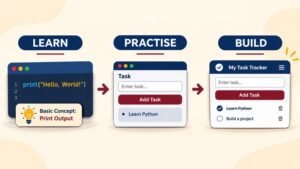
Programming Skills
Programming is one of the most important skills for software development.
Some commonly used programming languages include:
- Python: Used in automation, web development, data science and many other applications.
- Java: Commonly used in enterprise software and application development.
- JavaScript: Important for interactive websites and web applications.
- C and C++: Useful for understanding programming fundamentals and system-level concepts.
Start with one language and understand its basic concepts before moving to another.
Problem-Solving Skills
Developers regularly face technical problems. They need to understand the issue, identify possible solutions and test their approach.
Logical thinking and problem-solving abilities help developers write efficient and reliable code.
Database Knowledge
Most applications store and manage information. Understanding databases is therefore useful for software development.
You can begin by learning SQL and basic database concepts.
Web Development Skills
Knowledge of HTML, CSS and JavaScript can help you understand how websites are created.
These technologies provide a foundation for front-end web development.
Communication and Teamwork
Software development often involves working with designers, testers, project managers and other developers.
Clear communication helps team members understand project requirements and complete tasks effectively.
Continuous Learning
Technology changes frequently. Developers need to stay updated with programming languages, development frameworks and new tools.
Regular practice and learning are essential for long-term career growth.
What Are the Career Opportunities After Learning Software Development?
Software development offers different career opportunities depending on your skills, academic background and practical experience.
Some common roles include:
- Junior Software Developer
A junior software developer works on basic coding tasks, software maintenance and application development under the guidance of experienced team members.
- Web Developer
A web developer creates and maintains websites and web applications. The role may involve front-end development, backend development or both.
- Front-End Developer
A front-end developer works on the parts of a website or application that users interact with. Knowledge of HTML, CSS and JavaScript is important.
- Backend Developer
A backend developer works on application logic, databases, servers and other systems that operate behind the user interface.
- Mobile Application Developer
Mobile application developers create applications for smartphones and tablets. They may work with Android, iOS or cross-platform development technologies.
- Software Tester
A software tester checks applications for errors, performance issues and functionality problems. Knowledge of testing methods and automation tools can be useful.
- Full-Stack Developer
A full-stack developer works on both front-end and backend development. This role requires knowledge of user interfaces, server-side programming and databases.
- Application Support Developer
Application support developers help maintain software systems, investigate technical issues and resolve application-related problems.
The right career path depends on your interests and the technical skills you develop during your learning journey.
What Is the Salary of a Software Developer in India?
Software developer salaries depend on several factors, including educational qualifications, technical skills, experience, company size, location and job responsibilities.
Freshers may begin with entry-level positions, while experienced developers can earn higher salaries as they gain specialised knowledge and professional experience.
The following table provides broad indicative annual salary ranges. Actual salaries may vary by employer and market conditions.
| Job Role | Indicative Annual Salary |
| Junior Software Developer | ₹2.5–₹5 lakh |
| Web Developer | ₹2–₹5 lakh |
| Front-End Developer | ₹3–₹6 lakh |
| Backend Developer | ₹3–₹7 lakh |
| Mobile Application Developer | ₹3–₹7 lakh |
| Full-Stack Developer | ₹4–₹8 lakh |
| Experienced Software Developer | ₹7–₹15 lakh or more |
These figures are general estimates, not guaranteed salary offers.
A degree can help establish your academic foundation, but your ability to solve problems, write clean code and contribute to projects also matters when employers evaluate candidates.
What Is the Future Scope of Software Development?
Software development continues to evolve as businesses adopt new technologies and digital services.
Organisations require software to manage operations, improve customer experiences, automate processes and develop new products.
Some areas that may offer opportunities for software professionals include:
Artificial Intelligence: AI-powered applications are being used in customer service, automation, healthcare, finance and business operations.
Cloud Computing: Businesses increasingly use cloud platforms to store data, run applications and manage digital infrastructure.
Cyber Security: As organisations depend more on digital systems, protecting applications and information remains important.
Mobile Application Development: Mobile applications continue to support shopping, banking, education, communication and entertainment.
Web Development: Businesses need websites and web applications to connect with customers and manage services.
Automation: Software tools help organisations reduce repetitive tasks and improve operational efficiency.
The future of software development will favour professionals who combine strong programming fundamentals with the ability to learn new technologies.
How Can You Choose the Right Course?
Choosing the right course is an important decision, especially if you want to enter the software development field without attending a regular college.
Consider the following points before taking admission:
- Check your eligibility: Make sure you meet the academic requirements.
- Understand the curriculum: Look for programming, databases, software engineering and other relevant subjects.
- Verify recognition: Confirm that the university and programme are recognised for the relevant academic session and learning mode.
- Compare fees: Check the complete fee structure, including examination and additional charges.
- Consider flexibility: If you are working or managing other responsibilities, look for a learning mode that suits your schedule.
- Check academic support: Understand how the institution provides learning materials, student assistance and examination information.
- Plan your career path: Choose a programme that supports your long-term educational and professional goals.
Students exploring distance education should verify the programme through official regulatory sources before making a payment.
Why Consider United Correspondence College?
Choosing an appropriate learning institution can make a difference to your educational journey. Students who cannot attend regular classes may explore flexible learning options that help them continue their education while managing other responsibilities.
United Correspondence College provides information about different educational programmes and flexible learning opportunities for students and working professionals.
Before selecting any programme, students should review the course curriculum, eligibility, awarding university, fee structure and applicable recognition requirements.
For learners interested in software development, it is useful to consider recognised computing-related academic programmes and complement their studies with practical programming courses.
The aim should be to build a strong academic foundation while developing the technical skills required by the software industry.
Conclusion
Becoming a software developer without attending a regular college is possible. However, it requires the right combination of education, technical knowledge, practical learning and consistent effort.
You can begin by choosing a suitable course such as BCA or B.Sc. Computer Science, depending on your eligibility and career goals. If you already hold a bachelor’s degree, MCA may be another option to consider.
Flexible learning opportunities can help you continue your education while managing personal or professional responsibilities. However, always verify the recognition and permitted learning mode of the programme before admission, particularly when exploring engineering qualifications.
Engineering distance education may appear in searches for flexible technical learning, but students must understand the regulatory restrictions on distance and online engineering programmes.
Most importantly, start learning programming, practise regularly and develop your problem-solving abilities. With the right preparation and dedication, you can work towards building a successful career as a software developer.
“Students interested in building a career in cybersecurity can explore this BCA in Cyber Security course to learn about its eligibility criteria, course structure, key subjects and career opportunities.”
Frequently Asked Questions (FAQs)
1. Can I become a software developer without a regular college degree?
Yes. You can learn software development through recognised academic programmes, online courses, diplomas and practical training. However, some employers may prefer candidates with formal qualifications, so your education and skills should complement each other.
2. Which course is best to become a software developer after Class 12?
BCA and B.Sc. Computer Science are two common undergraduate options. The right choice depends on your interests, eligibility and career goals.
3. Is BCA enough to become a software developer?
BCA can provide a foundation in programming, databases and computer applications. You should also develop practical coding skills and gain experience through projects and technical training.
4. Can I become a software developer without knowing coding?
You can start learning software development without prior coding knowledge. However, programming is an essential part of most software development roles, so you will need to learn it during your training.
5. Which programming language should beginners learn first?
Python is often a beginner-friendly option because of its relatively simple syntax. Java and JavaScript are also useful, depending on the area of software development you want to pursue.
6. How many years does it take to become a software developer?
A bachelor’s degree such as BCA or B.Sc. Computer Science generally takes three years. However, the time required to become job-ready depends on your learning speed, programming practice and practical experience.
7. What is the salary of a fresher software developer in India?
Entry-level software developers may earn approximately ₹2.5 lakh to ₹5 lakh annually, depending on their skills, employer, location and qualifications. Actual salary offers vary.
8. Can I study software development through distance education?
You can explore recognised computing-related programmes through permitted online or distance learning modes. However, engineering programmes such as B.Tech and M.Tech are prohibited through UGC-regulated ODL and online modes. Always verify the specific programme before admission.
9. Is Mathematics compulsory to become a software developer?
Not every software development role requires advanced mathematics. However, basic mathematical and logical reasoning skills are useful. Some academic programmes may also have specific Mathematics eligibility requirements.
10. What skills should I develop to get a software developer job?
Focus on programming, problem-solving, database management, web development, debugging, communication and teamwork. Practical knowledge and the ability to apply your skills are important for starting your career.
Start Your Journey Towards a Career in Software Development!
You do not need to attend a regular college to begin building your future in the technology sector. The right academic programme, practical skills and consistent learning can help you move closer to your career goals. Explore flexible learning opportunities with United Correspondence College and choose an educational path that matches your interests, eligibility and schedule.
Visit www.unitedcorrespondencecollege.in or contact our team at 99457 44005 to learn more about available courses and admission guidance.