
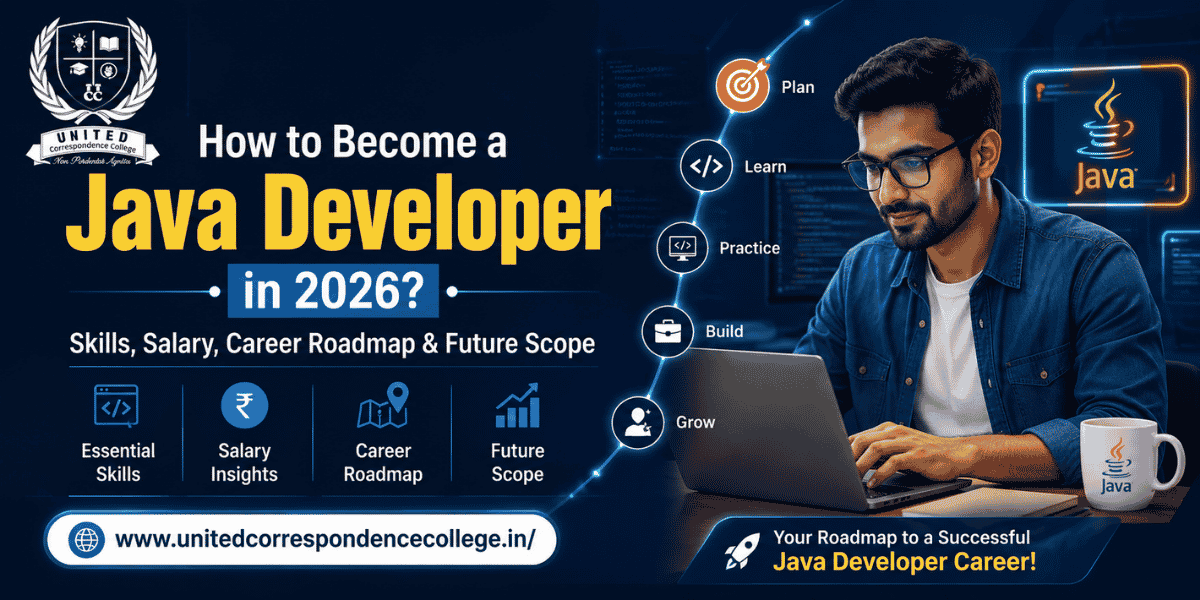
How to Become a Java Developer is one of the most searched career questions among students and aspiring software professionals in 2026. Java continues to be the backbone of enterprise software, Android applications, banking systems, cloud platforms, and backend web development. Learning How to Become a Java Developer opens doors to high-paying IT jobs, global career opportunities, and long-term professional growth. Whether you are a student, recent graduate, or working professional, understanding How to Become a Java Developer through the right roadmap, practical skills, and certifications can help you build a successful career in the technology industry. With consistent learning and hands-on project experience, Java remains one of the safest and most rewarding programming careers.
Why Java Development is Still One of the Best IT Careers in 2026
Despite the emergence of new programming languages, Java remains one of the most reliable technologies used by thousands of companies worldwide. Large organizations continue to depend on Java because it offers excellent security, scalability, platform independence, and performance.
Reasons why Java remains in demand include:
- Enterprise application development
- Android application development
- Banking and Financial software
- Healthcare systems
- Cloud computing
- E-commerce platforms
- AI-powered enterprise applications
- Government software projects
- SaaS platforms
- Microservices architecture
Professionals who understand How to Become a Java Developer can explore career opportunities across multiple industries instead of being limited to one technology sector.
What Does a Java Developer Do?
A Java Developer designs, develops, tests, maintains, and improves software applications using the Java programming language. They work closely with software engineers, testers, UI designers, project managers, and database administrators to build reliable software solutions.
Typical responsibilities include:
- Writing Java code
- Developing backend applications
- Building REST APIs
- Database integration
- Debugging applications
- Testing software
- Maintaining existing applications
- Improving application performance
- Working with cloud platforms
- Collaborating with development teams
Modern Java Developers also work with Artificial Intelligence, cloud computing, DevOps, and automation technologies.
Step-by-Step Career Roadmap
Understanding How to Become a Java Developer becomes much easier when you follow a structured learning path.
Step 1: Learn Programming Fundamentals
Start with programming basics like:
- Variables
- Data Types
- Loops
- Functions
- Arrays
- Conditional Statements
Step 2: Master Core Java
Core Java is the foundation of every Java Developer.
Topics include:
- Classes
- Objects
- Constructors
- Methods
- Inheritance
- Polymorphism
- Encapsulation
- Abstraction
- Exception Handling
- Collections
Without Core Java, it is difficult to progress further.
Step 3: Learn Object-Oriented Programming (OOP)
Java is based on Object-Oriented Programming principles.
Understand:
- Classes
- Objects
- Interfaces
- Packages
- Inheritance
- Method Overriding
These concepts are frequently tested during interviews.
Step 4: Practice Advanced Java
Advanced Java covers technologies used in enterprise software development.
Learn:
- JDBC
- Servlets
- JSP
- Maven
- Spring Framework
- Spring Boot
- Hibernate
These technologies significantly improve your employability.
Step 5: Learn Databases
Java applications interact with databases daily.
Popular databases include:
- MySQL
- PostgreSQL
- Oracle Database
- MongoDB
Understanding SQL queries is essential for backend development.
Step 6: Learn Spring Boot
Spring Boot has become the industry standard for Java backend development.
It helps developers create:
- REST APIs
- Enterprise applications
- Cloud-native services
- Microservices
Nearly every Java job description today includes Spring Boot knowledge.
Step 7: Build REST APIs
API development is one of the most valuable skills for modern developers.
Practice:
- GET
- POST
- PUT
- DELETE
- Authentication
- JSON
- API Testing
API development plays a major role in understanding How to Become a Java Developer for enterprise projects.
Step 8: Learn Git & GitHub
Version control is mandatory in software development.
Git helps you:
- Track changes
- Collaborate with teams
- Manage code versions
- Contribute to open-source projects
GitHub also acts as your professional portfolio.
Step 9: Practice Data Structures & Algorithms
Most product companies test candidates using DSA questions.
Study:
- Arrays
- Linked Lists
- Trees
- Graphs
- Sorting
- Searching
- Dynamic Programming
Strong problem-solving skills improve interview performance.
Step 10: Build Real Projects
Projects demonstrate practical skills better than certificates.
Examples include:
- Student Management System
- Banking Application
- Employee Portal
- Hospital Management System
- Inventory Management
- E-commerce Backend
These projects strengthen your resume and improve job prospects.
Must-Have Skills to Become a Java Developer
A successful Java Developer combines programming knowledge with problem-solving and software engineering skills.
Important technical skills include:
- Core Java
- Advanced Java
- Spring Boot
- Hibernate
- REST APIs
- JDBC
- SQL
- MySQL
- MongoDB
- Git
- GitHub
- Docker
- Microservices
- Cloud Computing Basics
Soft skills are equally important:
- Communication
- Teamwork
- Logical Thinking
- Analytical Skills
- Time Management
- Continuous Learning
Developing these competencies makes the journey of How to Become a Java Developer much smoother.
Educational Qualifications Required
Although Java development is largely skill-based, educational qualifications help build a strong foundation.
Common educational pathways include:
- BCA
- MCA
- B.Tech
- Diploma in Computer Science
- Software Engineering Certifications
Students pursuing BCA distance education can build strong programming skills alongside their academic studies. Practical coding projects and online certifications further strengthen their profiles.
Similarly, learners enrolled in IT distance education programs can combine flexible education with technical training, making it easier to prepare for Java Developer roles while balancing work or personal commitments.
Best Java Certifications in 2026
Professional certifications validate your knowledge and increase employer confidence.
Popular certifications include:
- Oracle Certified Professional Java Developer
- Spring Professional Certification
- AWS Certified Developer
- Google Cloud Associate Engineer
- Oracle Java Foundations
- HackerRank Java Certification
- Coursera Java Programming
- Udemy Complete Java Developer Bootcamp
These certifications improve technical expertise and strengthen resumes for entry-level and experienced Java Developers alike.
Java Developer Kit Download
Every aspiring Java Developer should install the official Java Development Kit (JDK) before beginning practical programming. The JDK contains essential tools such as the Java Compiler, Java Runtime Environment (JRE), debugging utilities, and development libraries required to build, test, and run Java applications.
Common tools every Java learner should install include:
- Java Development Kit (JDK)
- IntelliJ IDEA
- Eclipse IDE
- Visual Studio Code
- Apache Maven
- Git
- MySQL Workbench
Using the latest Java Developer Kit ensures compatibility with modern frameworks like Spring Boot and enterprise development tools.
Java Developer Jobs for Freshers
Breaking into the software industry as a fresher has become easier than ever for candidates who possess strong Java programming skills, practical project experience, and a solid understanding of software development fundamentals. Many companies hire fresh graduates based on their coding ability, problem-solving skills, and willingness to learn rather than years of experience.
To secure your first Java Developer job, focus on building a strong portfolio that showcases your technical capabilities. Recruiters often evaluate GitHub repositories, personal projects, internships, and coding profiles before shortlisting candidates.
Ways to improve your chances include:
- Build 4–6 Java projects
- Practice Data Structures & Algorithms daily
- Learn Spring Boot and REST APIs
- Contribute to GitHub projects
- Complete Java certifications
- Practice coding on HackerRank and LeetCode
- Participate in hackathons
- Improve communication and teamwork skills
Students pursuing MCA distance education in bangalore can enhance their employability by combining academic learning with hands-on coding practice, enabling them to compete effectively for entry-level Java Developer roles.
Java Developer Positions
One of the biggest advantages of learning Java is the variety of career opportunities available. As you gain experience, you can move into specialized development, leadership, or architecture roles.
Popular Java Developer positions include:
- Junior Java Developer
- Java Software Engineer
- Backend Java Developer
- Full Stack Java Developer
- Spring Boot Developer
- REST API Developer
- Enterprise Application Developer
- Cloud Java Developer
- Microservices Developer
- Technical Lead
- Software Architect
- Solution Architect
Each position requires progressively advanced technical knowledge, leadership skills, and project experience. By following the right learning roadmap, professionals can steadily progress throughout their careers while increasing their earning potential.
Java Developer Career Progression
| Experience | Job Role | Average Salary |
| 0–2 Years | Junior Java Developer | ₹4–7 LPA |
| 2–4 Years | Java Developer | ₹7–12 LPA |
| 5–8 Years | Senior Java Developer | ₹12–20 LPA |
| 8–12 Years | Technical Lead | ₹20–35 LPA |
| 12+ Years | Software Architect | ₹35–60+ LPA |
Java Developer Salary
One of the primary reasons students choose Java is its strong salary potential. Java Developers continue to be among the highest-paid professionals in India’s software industry due to their expertise in enterprise application development, cloud technologies, and backend systems.
Salary depends on:
- Technical expertise
- Framework knowledge
- Company type
- Certifications
- Project experience
- Communication skills
- Location
Average Java Developer Salary in India
| Experience | Salary |
| Fresher | ₹4–7 LPA |
| 2–4 Years | ₹7–12 LPA |
| 5–8 Years | ₹12–20 LPA |
| Senior Developer | ₹20–35 LPA |
| Software Architect | ₹35–60+ LPA |
Professionals who master Spring Boot, Microservices, Docker, Kubernetes, Cloud Computing, and DevOps generally receive significantly higher salary packages.
Many learners pursuing bca distance education in bangalore strengthen their profiles through coding bootcamps, internships, and real-world Java projects, helping them secure competitive salary packages after graduation.
Java Developer Pune Jobs
Pune has emerged as one of India’s fastest-growing technology hubs, offering excellent opportunities for Java Developers. The city hosts numerous multinational corporations, product companies, startups, banking organizations, and IT service providers that actively recruit Java professionals.
Some of the industries hiring Java Developers in Pune include:
- Software Development
- Banking & Financial Services
- Healthcare Technology
- Automotive Software
- Cloud Computing
- E-commerce
- FinTech
- Artificial Intelligence
- Enterprise Solutions
Top recruiters in Pune include Infosys, TCS, Cognizant, Capgemini, Accenture, Wipro, IBM, Persistent Systems, Tech Mahindra, and several rapidly growing startups.
Professionals who continuously upgrade their Java skills with Spring Boot, REST APIs, cloud technologies, and database management enjoy better job opportunities and faster career progression in Pune’s competitive IT market.
Future Scope of Java Developers in 2026
The future of professionals who understand How to Become a Java Developer is exceptionally bright. Java has maintained its position as one of the world’s most trusted programming languages for more than two decades, and its relevance continues to grow with advancements in enterprise software, cloud computing, fintech, artificial intelligence, and large-scale web applications.
Businesses are increasingly investing in digital transformation projects that require secure, scalable, and high-performance software. Since Java is widely used for building enterprise-grade applications, demand for skilled Java Developers remains consistently high across industries.
Emerging technologies creating new opportunities include:
- Cloud Computing
- Artificial Intelligence
- Machine Learning Integration
- Internet of Things (IoT)
- Microservices Architecture
- Enterprise Resource Planning (ERP)
- Financial Technology (FinTech)
- Healthcare Software
- E-commerce Platforms
- DevOps Automation
Professionals who continue learning modern Java frameworks, cloud platforms, and backend technologies can expect strong career growth, attractive salaries, and global employment opportunities throughout their How to Become a Java Developer journey.
Why Flexible Learning Helps Future Java Developers
Technology changes rapidly, making continuous learning essential for every software professional. Flexible education allows students and working professionals to upgrade their skills without interrupting their careers or personal commitments.
Students pursuing distance education in bangalore often complement their academic studies with coding platforms, Java certifications, internships, and real-world software projects. This practical approach enables learners to gain valuable industry experience while completing their degrees.
Similarly, those enrolled in an IT correspondence college in bangalore can strengthen their programming knowledge by learning:
- Core Java
- Spring Boot
- Database Management
- REST API Development
- Cloud Computing
- Git & GitHub
- Software Testing
Combining formal education with practical coding experience significantly improves employability and prepares students for competitive software development roles.
Why Choose UCC?
Choosing the right educational institution plays an important role in building a successful technology career. UCC provides flexible learning opportunities designed for students and working professionals who want to enhance their qualifications while balancing other responsibilities.
Benefits of studying with UCC include:
- Flexible learning schedules
- Career-oriented programs
- Affordable education
- Student-friendly support
- Industry-relevant curriculum
- Guidance for working professionals
- Recognized academic pathways
Whether you’re beginning your programming journey or upgrading your existing qualifications, UCC helps learners build a strong educational foundation for today’s competitive IT industry.
Build Your IT Career with UCC
A successful software career requires more than technical knowledge—it also demands continuous learning, practical experience, and recognized qualifications. UCC supports students by offering flexible educational programs that fit modern career goals.
By combining structured academic learning with programming certifications, internships, coding practice, and software development projects, students can prepare themselves for rewarding careers in Java development, backend engineering, cloud computing, and enterprise software development.
Learning Java alongside industry-relevant technologies significantly increases your chances of securing high-paying software jobs both in India and internationally.
Conclusion
Understanding How to Become a Java Developer is the first step toward building one of the most rewarding careers in the software industry. Java continues to power enterprise applications, banking systems, cloud platforms, Android development, and large-scale business solutions, making it one of the most reliable programming languages for long-term career growth.
By mastering Core Java, Advanced Java, Spring Boot, REST APIs, databases, cloud technologies, and software development best practices, aspiring professionals can confidently build successful careers across multiple industries. Continuous learning, practical project development, professional certifications, and real-world experience remain the key factors for long-term success.
Whether you are a student, graduate, or working professional, investing your time in learning Java today can open doors to excellent salary packages, global opportunities, and leadership positions in the future. With flexible educational support from UCC, you can continue upgrading your qualifications while preparing for the evolving demands of the IT industry.
Ready to Become a Java Developer in 2026?
Java continues to be one of the most in-demand programming languages for enterprise software, cloud applications, fintech, and backend development. If you’re looking to build a successful IT career, now is the perfect time to start learning Java and strengthen your technical skills.
United Correspondence College offers flexible learning programs that help students and working professionals continue their education while preparing for high-demand technology careers. Enroll today, develop industry-relevant skills, and take the first step toward becoming a successful Java Developer with confidence.
FAQs
1. What is a Java Developer?
A Java Developer is a software professional responsible for designing, developing, testing, and maintaining applications using the Java programming language. They build enterprise software, web applications, Android apps, cloud-based platforms, and backend systems used in industries like banking, healthcare, e-commerce, and information technology. Java Developers work with technologies such as Spring Boot, Hibernate, REST APIs, SQL databases, and cloud platforms to create secure and scalable applications. Students pursuing BCA distance education can begin learning Java alongside their academic curriculum by completing coding projects, certifications, and internships. This combination of education and practical experience helps them develop industry-ready skills and prepares them for rewarding careers in software development.
2. Is Java Development a good career in 2026?
Yes, Java Development remains one of the most promising and stable IT careers in 2026. Thousands of companies continue to rely on Java for enterprise software, cloud applications, banking solutions, healthcare systems, and backend web development. With the growing adoption of cloud computing, AI integration, and microservices architecture, the demand for skilled Java Developers is expected to increase further. Professionals with expertise in Spring Boot, REST APIs, and cloud technologies enjoy excellent salary packages and long-term career growth. Students enrolled in MCA distance education in bangalore can strengthen their technical knowledge through certifications and real-world projects, improving their employability in India’s competitive software industry.
3. What skills are required to become a Java Developer?
A successful Java Developer requires a combination of programming knowledge, software engineering skills, and problem-solving ability. Core competencies include Core Java, Advanced Java, Object-Oriented Programming (OOP), Spring Boot, Hibernate, JDBC, REST APIs, SQL, Git, Maven, and cloud computing fundamentals. Familiarity with Docker, Kubernetes, and Microservices also provides an added advantage in enterprise development. Besides technical expertise, communication, teamwork, analytical thinking, and continuous learning are equally important for career success. Students pursuing IT distance education can develop these skills through online coding platforms, certification programs, internships, and practical software development projects while completing their academic qualifications.
4. What is the average salary of a Java Developer in India?
Java Developers receive competitive salaries based on their experience, technical expertise, certifications, employer, and project portfolio. Fresh graduates generally earn between ₹4–7 LPA, while professionals with three to five years of experience can earn ₹10–18 LPA. Senior Java Developers, Technical Leads, and Software Architects often receive packages ranging from ₹25–50 LPA or even higher in multinational companies. Learning modern frameworks such as Spring Boot, Microservices, and cloud technologies significantly increases earning potential. Students studying at an IT correspondence college in bangalore can improve their career prospects by combining formal education with hands-on programming experience and professional certifications.
5. Can BCA students become Java Developers?
Absolutely. BCA graduates have a strong foundation in computer programming, software development, databases, networking, and web technologies, making Java Development an excellent career option. By mastering Core Java, Spring Boot, SQL, REST APIs, Git, and backend development, BCA students can secure entry-level software engineering positions in leading IT companies. Building practical projects, participating in coding competitions, and completing internships further strengthen their profiles. Students pursuing bca distance education in bangalore can also acquire industry-relevant Java skills through online certifications and hands-on coding practice while completing their degree, improving their chances of landing high-quality software development roles.
6. Which Java certification is best for beginners?
Several globally recognized certifications help beginners validate their Java programming skills and improve their employability. Popular certifications include Oracle Certified Professional Java Developer (OCPJD), Oracle Java Foundations, Spring Professional Certification, AWS Certified Developer Associate, and Java courses offered by Coursera, Udemy, and edX. While certifications enhance technical credibility, employers also value practical coding experience and real-world projects. Students pursuing distance education in bangalore should combine certification programs with GitHub portfolios, personal Java applications, and coding challenges to demonstrate their abilities. This balanced approach significantly increases job opportunities in today’s competitive IT industry.
7. Which companies hire Java Developers?
Java Developers are recruited by leading multinational corporations, software service providers, product-based companies, fintech firms, healthcare organizations, startups, and government technology departments. Major employers include Google, Microsoft, Amazon, Oracle, IBM, Infosys, TCS, Wipro, Cognizant, Capgemini, Deloitte, Accenture, HCL Technologies, Tech Mahindra, and Zoho. These companies hire Java professionals for enterprise software development, cloud computing, API development, banking applications, and digital transformation initiatives. Candidates with strong programming fundamentals, practical project experience, certifications, and excellent problem-solving abilities enjoy outstanding career opportunities both in India and international markets, with continuous demand across multiple industries.
8. What is the future scope of Java Developers?
The future scope of Java Development is extremely promising as businesses continue investing in enterprise software, cloud computing, artificial intelligence, fintech, e-commerce, and digital transformation. Java remains one of the most trusted programming languages due to its scalability, security, portability, and performance. Skilled Java Developers are expected to remain in high demand for developing cloud-native applications, microservices, banking platforms, healthcare systems, and enterprise solutions. Professionals who continuously upgrade their knowledge of Spring Boot, Kubernetes, Docker, cloud platforms, and DevOps practices can expect strong career stability, excellent salary growth, leadership opportunities, and global employment prospects for many years.